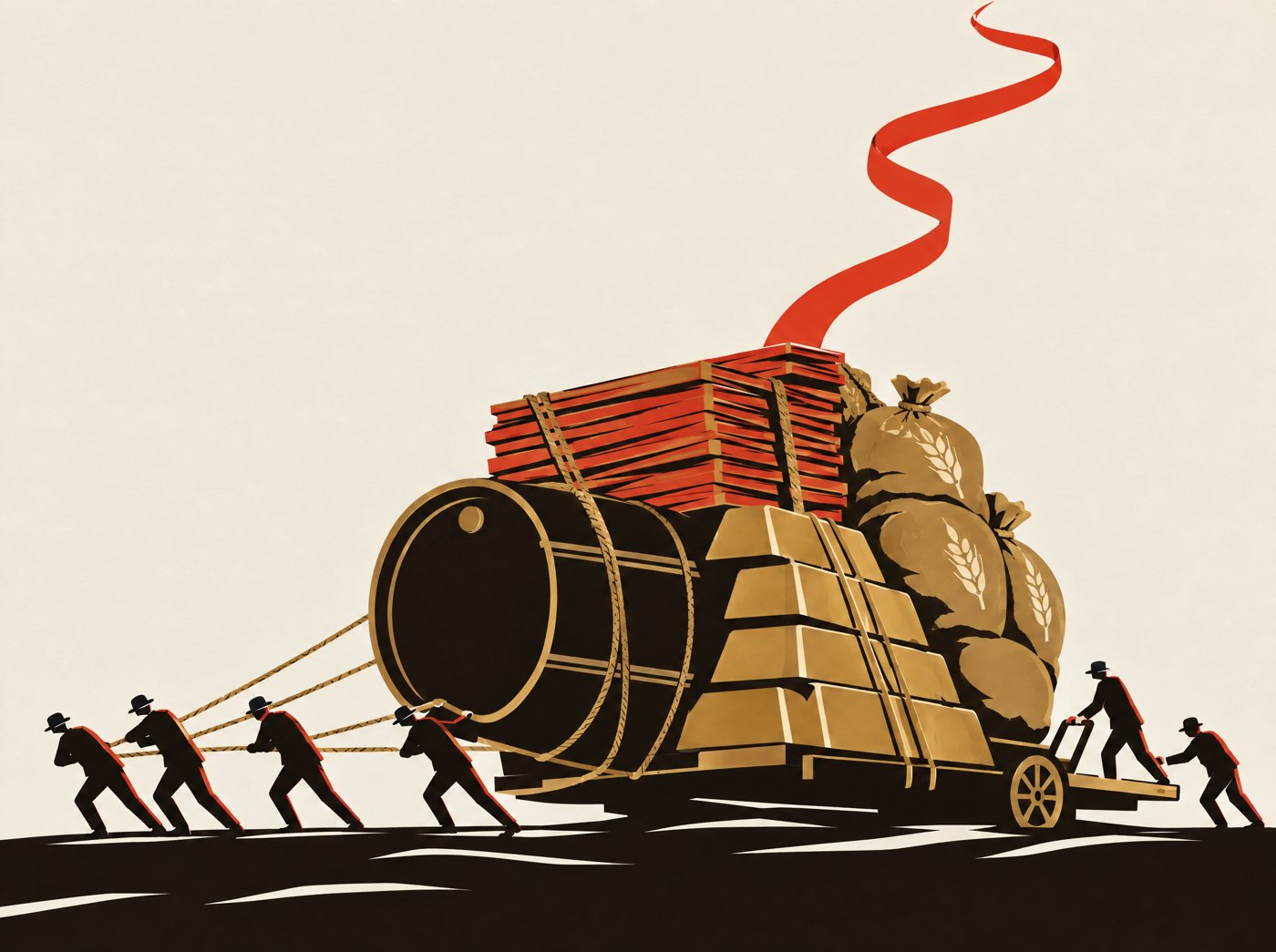
Before it became a ticker, it was heavy. Every commodity price on a screen is the price of something that had to be dug up, pumped out or grown, then moved, stored, insured, financed and checked against a written specification before anyone would accept it in settlement of a contract.
The first two acts of this issue stayed inside the terminal. That is where most people meet prices, and where it is easy to forget that a futures contract for crude oil or copper is, at the end of the chain, a promise about a lorry, a pipeline or a warehouse. This act leaves the terminal.
What the contract describes
Open the rulebook for a commodity future and the first thing you meet is a description of an object. The price comes later. The New York Mercantile Exchange's light sweet crude contract is for 1,000 US barrels, 42,000 gallons, of oil within a range of density and sulphur content, delivered at Cushing, Oklahoma. The Chicago Board of Trade's wheat contract is for 5,000 bushels of named grades, delivered by shipping certificate at approved elevators. The London Metal Exchange's copper contract is for 25 tonnes of Grade A cathode, from registered brands, in an LME-approved warehouse. A London Good Delivery gold bar must contain between 350 and 430 fine troy ounces at a fineness of at least 995 parts per thousand, from an accredited refiner.
| Object | Unit | Mass | Specification |
|---|---|---|---|
| Crude oil WTI, NYMEX | 1 barrel = 42 US gal = 158.987 L | 130 to 134 kg per barrel | Contract: 1,000 barrels at Cushing, API gravity 37 to 42 |
| Copper Grade A cathode, LME | one lot = 25 tonnes | 25,000 kg per contract | Registered brands only, in an LME-approved warehouse |
| Gold London Good Delivery bar | 350 to 430 fine troy oz | 10.9 to 13.4 kg of fine gold | Fineness at least 995.0, accredited refiner |
| Wheat CBOT, soft red winter and others | one contract = 5,000 bushels at 60 lb | 136.08 tonnes per contract | Delivered by shipping certificate at approved elevators |
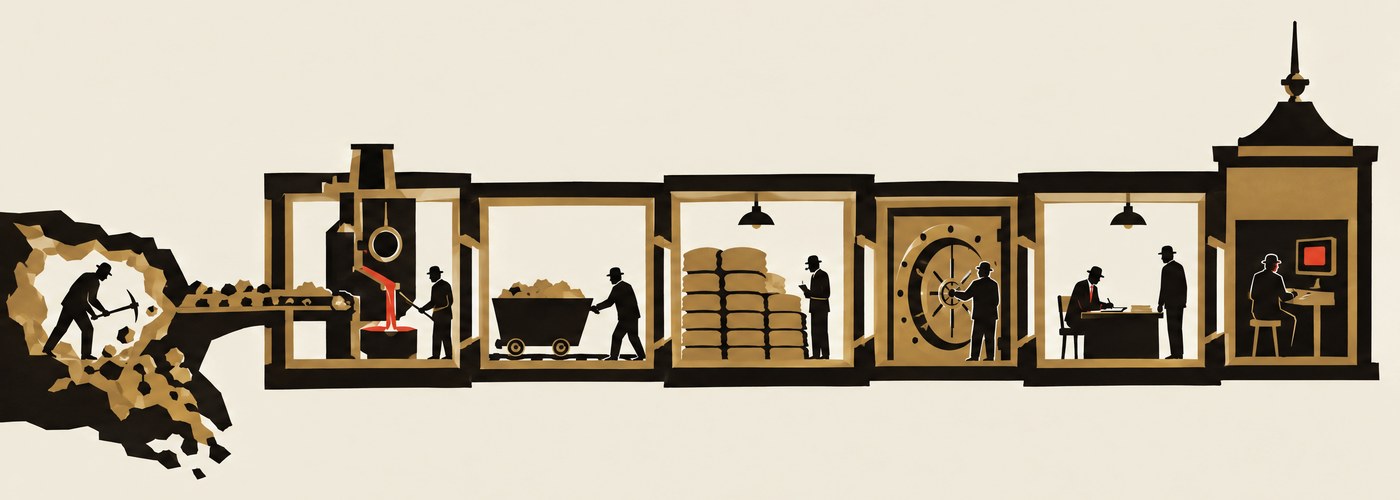 GroundProcessingTransportWarehouseFinancingContractTerminal
Each of those details narrows what the price is the price of. Oil that is too heavy, copper from an unregistered smelter, or gold from a refiner that has lost its accreditation is still a physical object of real value. It is not deliverable against the contract, and it trades at a different number.
What gets added on the way
Follow a barrel from a well in west Texas. Somebody paid to drill and to lift it. A pipeline company charges a tariff to carry it to a hub. At Cushing a terminal charges to hold it in a tank, by the month. Somebody owns the oil while it sits there, and has paid for it with money that has a cost, so storage carries a financing charge as well. It is insured. When it moves on to a refinery, it is measured, sampled and tested, and if it is off specification the price is adjusted.
A price quoted on a screen for delivery at a hub already contains most of those costs, and the differences between hubs are largely the costs of moving between them. The spread between oil in Cushing and oil on the Gulf Coast is, much of the time, a price for pipeline capacity. The difference between copper in a Rotterdam warehouse and copper in Shanghai is a price for freight, duties and time. The ticker shows one number. The body of the commodity shows where the number came from.
When the body pushes back
Most of the time these costs are small and stable relative to the commodity, and the financial price and the physical price move together. Occasionally the body asserts itself. April 2020, on page 23, was one case: storage ran short and the price of taking delivery went below zero. Copper has had the opposite problem. When warehouse inventories on an exchange fall very low, shorts who must deliver metal compete for what little remains, and the nearest contract can trade far above later ones.
Gold hides its body better than most. It is so dense that a year of global mine production, about 3,600 tonnes, would fit in a cube a little under six metres on each side, and it is rarely consumed, so almost all the gold ever mined still exists. Yet when demand for gold in New York surged relative to London at points in recent years, bars had to be flown across the Atlantic and melted into the kilobar sizes the New York contract preferred, and for a while the price gap between the two cities reflected the capacity of refineries and cargo holds.
Two oils, one word
The world has two main benchmark prices for crude, and the difference between them is almost entirely physical. West Texas Intermediate is delivered at Cushing, in the middle of a continent. Its price reflects what it costs to get oil to and from a landlocked hub, and when pipelines out of Cushing are full, WTI can trade at a wide discount to oil elsewhere. Brent, the benchmark for most of the world's seaborne crude, is based on cargoes loaded from terminals in the North Sea, and its price reflects oil that is already next to a ship.
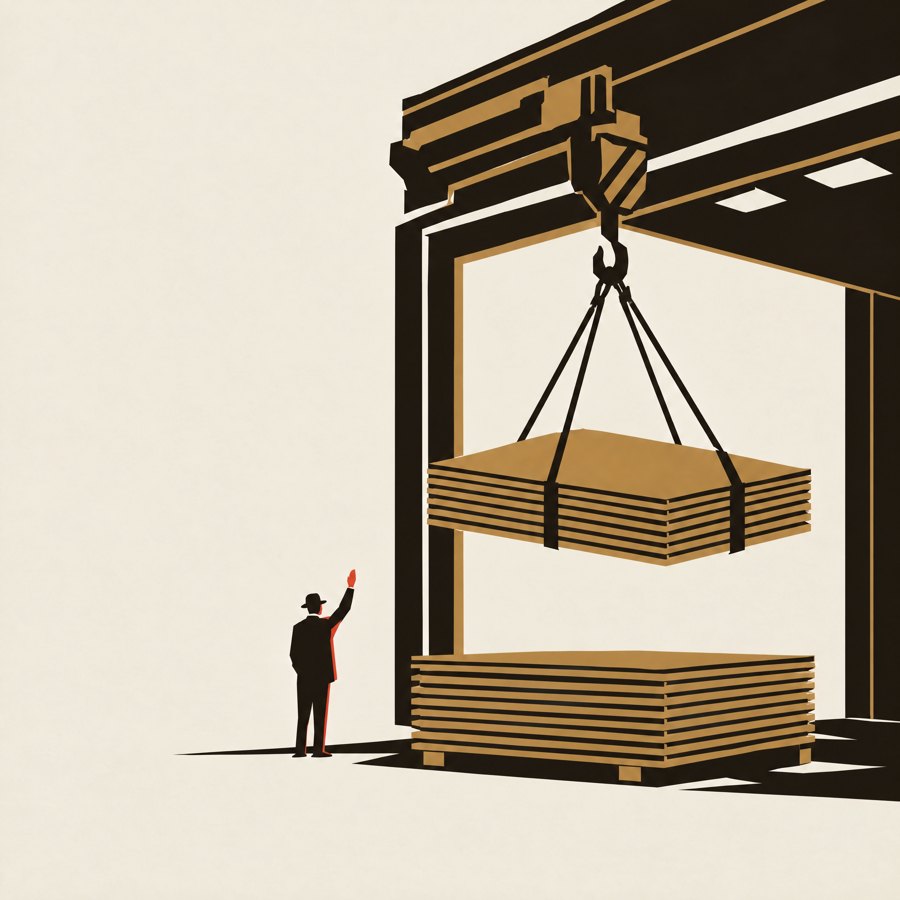
The two are similar in quality and are often both called the oil price. The gap between them has moved from a premium for WTI to a discount of more than twenty dollars a barrel and most of the way back over the past two decades, as American production grew faster than the pipelines built to carry it, and then the pipelines caught up. Nothing about the oil changed. The plumbing did.
Specification does the same work more quietly. Heavier crude and crude with more sulphur is harder to refine, so it trades below the benchmarks by an amount that depends on how many refineries can handle it. When one large refinery that runs heavy sour oil shuts for maintenance, the discount on that grade can widen for weeks. On a screen it looks like the price of oil moved. In a tank it was the price of one kind of oil.
The paper and the metal
Most futures contracts never end in delivery. They are closed before expiry, and the physical system is only there as a backstop that keeps the paper honest. But the backstop is the reason the paper means anything. A contract that could never be delivered against would be a bet on a number. A contract that can be delivered against is anchored, by the threat of delivery, to warehouses, tanks and ships.
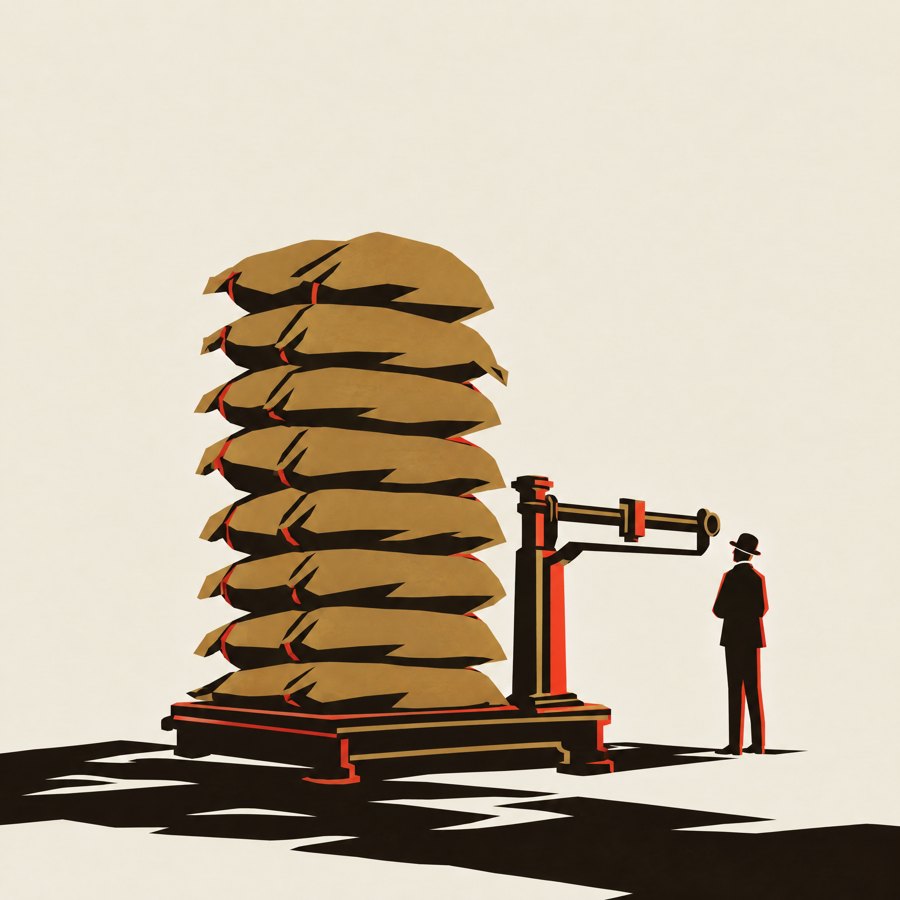
The ticker is the lightest thing in the chain. It is also the last thing to find out when the chain breaks.